
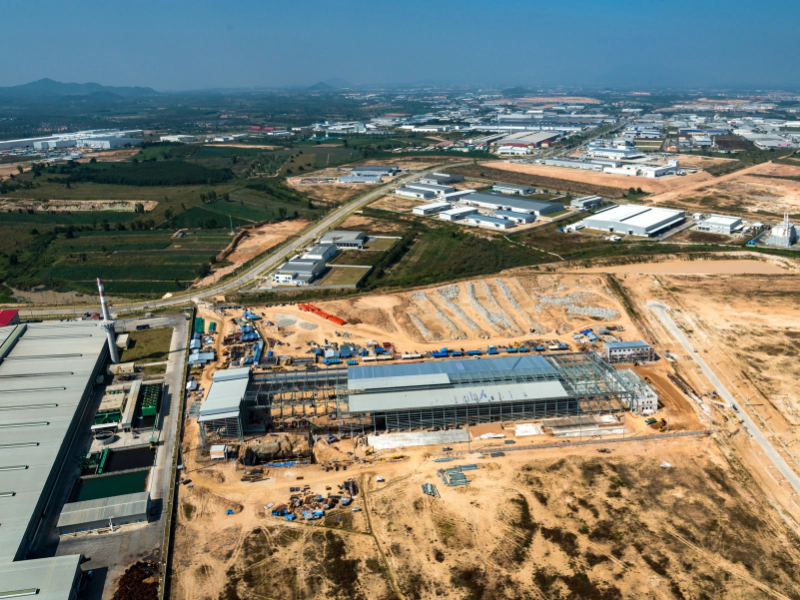
Developing land is much more than clearing a property and starting construction. Every successful project begins with careful planning, engineering, coordination, and approval from local agencies. Whether you’re building a commercial property, creating a residential subdivision, or preparing industrial land for future use, understanding what land development is can help you avoid costly delays and make better decisions from the start.
The land development process involves transforming raw or underused property into land that is ready for construction. This includes evaluating the site, designing infrastructure, managing drainage, coordinating utilities, obtaining permits, and preparing the property for building.
This land development guide explains each step in simple terms. You’ll learn about the land development process, the stages of land development, a typical land development timeline, and a practical land development checklist to help keep your project organized.
What Is Land Development?
Land development is the process of preparing land so it can safely and legally support homes, businesses, industrial facilities, or public infrastructure. Before construction can begin, the property must meet local regulations while providing the necessary infrastructure for future development.
Depending on the project, land development may include:
- Site evaluation
- Drainage analysis
- Grading design
- Utility planning
- Roadway design
- Stormwater management
- Site planning
- Permitting
- Agency coordination
- Construction support
The goal is to create land that functions properly, protects surrounding properties, and complies with city, county, and state requirements.
Unlike building construction, land development focuses on everything that must happen before buildings are constructed.
Why Is Land Development Important?
Many projects run into problems because important planning steps are skipped early in the process. Drainage issues, utility conflicts, permitting delays, or incomplete designs can increase costs and extend project schedules.
Proper land development helps:
- Reduce construction risks
- Improve project efficiency
- Meet local regulations
- Protect neighboring properties
- Support long-term infrastructure performance
- Minimize costly redesigns
- Improve permitting success
Planning ahead often saves both time and money.
Understanding the Land Development Process
Every project is different, but most follow a similar land development process.
1. Site Evaluation
The first step is understanding the property.
Engineers review several factors, including:
- Existing topography
- Floodplain information
- Soil conditions
- Existing utilities
- Access points
- Zoning regulations
- Environmental constraints
This information helps determine whether the property can support the intended development.
2. Project Planning
Once the site has been evaluated, planning begins.
This phase defines:
- Project goals
- Lot layout
- Building locations
- Road access
- Utility connections
- Drainage strategies
Good planning helps identify challenges before they become expensive problems.
3. Engineering Design
Engineering is where ideas become buildable plans.
Designs typically include:
- Streets
- Water systems
- Sewer systems
- Storm drainage
- Grading
- Utility coordination
- Detention facilities
Each system must work together while meeting municipal requirements.
If your project requires drainage planning, our Stormwater Management services help evaluate runoff, detention requirements, and downstream impacts early in the design process.
4. Permitting and Agency Review
Most developments require approval from local jurisdictions.
Plans are submitted for review, and agencies may request revisions before issuing approvals.
Common reviews include:
- Drainage
- Utilities
- Traffic
- Environmental requirements
- Public infrastructure
- Fire access
- Construction standards
Efficient communication during this stage helps projects move forward more smoothly.
5. Infrastructure Construction
After approvals are complete, construction begins.
Infrastructure often includes:
- Roads
- Sidewalks
- Water lines
- Sewer lines
- Storm sewer systems
- Detention ponds
- Grading
- Utility installations
Proper construction follows the approved engineering plans.
6. Final Approval
After inspections are complete, agencies verify that construction meets approved plans.
Once accepted, lots may become eligible for building permits or occupancy depending on the project.
The Five Main Stages of Land Development
Although projects vary, the stages of land development generally include the following.
Stage 1. Feasibility
This stage answers important questions:
- Can the property be developed?
- Are utilities available?
- Is zoning appropriate?
- Are there drainage concerns?
- Will the project be financially practical?
A feasibility review helps prevent investing in projects that may face major obstacles.
Stage 2. Planning and Design
During this stage, engineers prepare:
- Site layouts
- Infrastructure plans
- Utility designs
- Drainage studies
- Grading plans
This is where technical planning begins to shape the future project.
Learn more about our Land Development Services for subdivision and commercial projects.
Stage 3. Permitting
Permitting often involves multiple agencies reviewing the project.
Depending on location, approvals may include:
- Municipal engineering
- Utility providers
- Environmental agencies
- County review departments
- Transportation authorities
Projects often move faster when plans are coordinated early.
Stage 4. Construction
Construction transforms engineered plans into physical infrastructure.
Project teams coordinate contractors, inspections, utilities, and schedules to maintain progress.
Stage 5. Completion
The final stage includes:
- Final inspections
- Acceptance of public improvements
- Record drawings
- Project closeout
- Building permit readiness
At this point, the land is generally ready for vertical construction.
What Does a Typical Land Development Timeline Look Like?
Every project is unique, but understanding a typical land development timeline helps set realistic expectations.
Initial Evaluation
Estimated time: 2 to 6 weeks
Activities include:
- Property review
- Site visits
- Preliminary engineering
- Feasibility discussions
Concept Design
Estimated time: 1 to 3 months
Activities include:
- Preliminary layouts
- Utility concepts
- Drainage planning
- Owner review
Engineering Design
Estimated time: 2 to 6 months
Activities include:
- Civil engineering
- Utility design
- Grading plans
- Stormwater calculations
- Construction documents
Agency Review
Estimated time: 1 to 6 months
The review period depends on:
- Municipality
- Project complexity
- Review comments
- Required revisions
Construction
Estimated time: 3 to 12 months or longer
Factors affecting construction include:
- Weather
- Contractor schedules
- Material availability
- Project size
- Utility coordination
Large subdivisions may take considerably longer than smaller commercial developments.
Common Challenges During Land Development
Even well-planned developments can encounter challenges.
Some of the most common include:
Drainage Issues
Stormwater management is often one of the biggest reasons projects receive review comments.
Proper drainage design helps protect both your site and neighboring properties.
Utility Coordination
Water, sewer, electric, gas, and communication providers all have different requirements.
Poor coordination can delay construction.
Changing Regulations
Development standards may change during long projects.
Working with current municipal requirements helps reduce unnecessary revisions.
Site Constraints
Unexpected issues such as poor soils, floodplain impacts, or existing easements may require design changes.
Early investigation reduces surprises later.
Review Comments
Nearly every project receives agency comments.
Responding quickly and coordinating revisions helps keep approvals moving.
Land Development Checklist
A well-organized land development checklist can keep your project on track from beginning to end.
Before Purchasing Property
- Review zoning
- Verify utility availability
- Evaluate drainage conditions
- Identify floodplain concerns
- Confirm property access
- Review local development regulations
During Planning
- Complete site evaluation
- Prepare preliminary layouts
- Develop grading concepts
- Coordinate utility planning
- Perform drainage studies
- Review permitting requirements
During Design
- Finalize engineering plans
- Coordinate all engineering disciplines
- Prepare construction documents
- Submit permit applications
- Address review comments
During Construction
- Monitor progress
- Coordinate inspections
- Verify infrastructure installation
- Resolve field issues
- Update schedules
Before Project Completion
- Complete final inspections
- Obtain agency acceptance
- Prepare record documents
- Verify infrastructure performance
- Begin building permit process if applicable
Following a structured checklist helps reduce delays and keeps everyone working toward the same goals.
Who Needs Land Development Services?
Land development supports many different types of projects.
These include:
- Residential subdivisions
- Commercial shopping centers
- Office developments
- Industrial facilities
- Mixed-use developments
- Schools
- Churches
- Municipal projects
- Healthcare facilities
Whether you’re developing one commercial lot or hundreds of residential lots, the process follows many of the same engineering principles.
How Site Planning Supports Successful Development
A great development begins with an effective site plan.
Site planning considers:
- Vehicle circulation
- Parking
- Building placement
- Accessibility
- Utilities
- Drainage
- Grading
- Landscaping
- Municipal requirements
These elements work together to improve both functionality and constructability.
Learn more about our Site Planning services to see how thoughtful planning helps projects move efficiently through design and approval.
Why Project Management Matters
Land development rarely involves just one consultant.
Successful developments often require coordination between:
- Civil engineers
- Architects
- Surveyors
- Utility providers
- Geotechnical engineers
- Structural engineers
- Municipal reviewers
- Contractors
Without clear communication, projects can experience unnecessary delays.
Effective project management helps coordinate schedules, resolve conflicts, and keep the development process moving efficiently.
If your project involves multiple disciplines, our Construction Management Services help coordinate engineering teams, agency communication, permitting, and project schedules from planning through approvals.
Tips for a Successful Land Development Project
Every project has unique challenges, but several best practices consistently improve outcomes.
Start planning early instead of waiting until permitting begins.
Address stormwater management before finalizing layouts.
Coordinate utilities as early as possible.
Understand local development standards before preparing plans.
Communicate regularly with everyone involved in the project.
Work with engineers who understand both technical design and the approval process.
These practices often reduce revisions and improve project efficiency.
Conclusion
Understanding what land development is gives property owners, developers, and investors a stronger foundation for making informed decisions. From site evaluation and engineering design to permitting, infrastructure, and final approvals, every step plays an important role in creating successful projects. Following a structured land development process, understanding the stages of land development, planning around a realistic land development timeline, and using a practical land development checklist can help reduce delays, improve coordination, and keep your development moving toward construction.
At Carrillo Consulting, LLC, we help commercial, residential, and industrial clients throughout Argyle, TX navigate every phase of land development. Our team works directly with you from the beginning of the project, providing dependable engineering support for drainage studies, land development, site planning, and project management. By coordinating designs, addressing permitting requirements early, and developing practical, buildable plans that meet local standards, we help reduce risk, save time, and keep projects moving efficiently from concept to construction. Call (940) 299-3103 to discuss your project and learn how we can support your development goals.