
Sustainable Design Practices
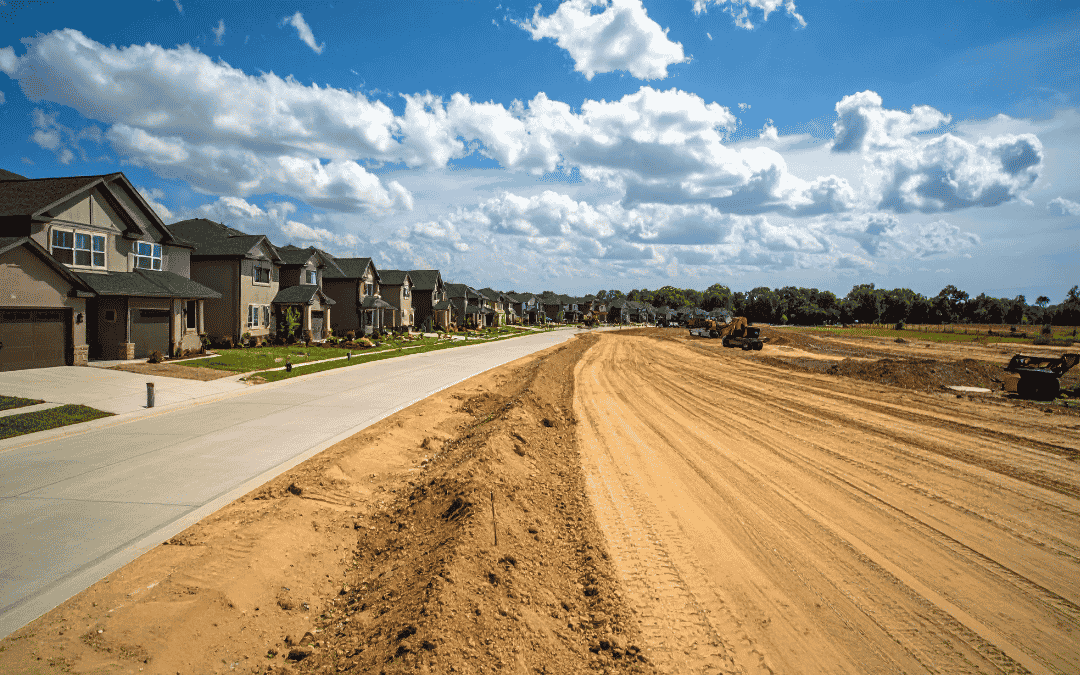
The infrastructure sector has witnessed a transformative shift toward environmentally responsible practices that balance development with ecological stewardship. Today’s professionals integrate low-impact development techniques that minimize environmental disruption while maximizing functional efficiency. Permeable pavement systems, bioswales, and native vegetation landscaping have become standard components in residential and commercial projects throughout North Texas.
In regions experiencing rapid growth like the Dallas-Fort Worth metroplex, the demand for sustainable stormwater management solutions has intensified. Clay-rich soils common to Denton and Tarrant Counties require specialized detention pond designs that account for slower infiltration rates and seasonal precipitation patterns. Engineers now employ advanced hydrologic modeling software to predict downstream impacts and optimize drainage networks before breaking ground.
Green infrastructure initiatives extend beyond stormwater considerations to encompass energy-efficient materials, renewable energy integration, and life-cycle cost analysis. These practices reduce long-term operational expenses while enhancing property values and community resilience. Forward-thinking developers recognize that sustainable design is no longer optional but essential for regulatory compliance and market competitiveness in today’s construction landscape.
Smart Technology Integration
Digital transformation has revolutionized how infrastructure projects are conceptualized, designed, and executed. Building Information Modeling (BIM) and Geographic Information Systems (GIS) enable professionals to create detailed three-dimensional representations of proposed developments, identifying potential conflicts before construction commences. This proactive approach reduces costly change orders and accelerates project timelines significantly.
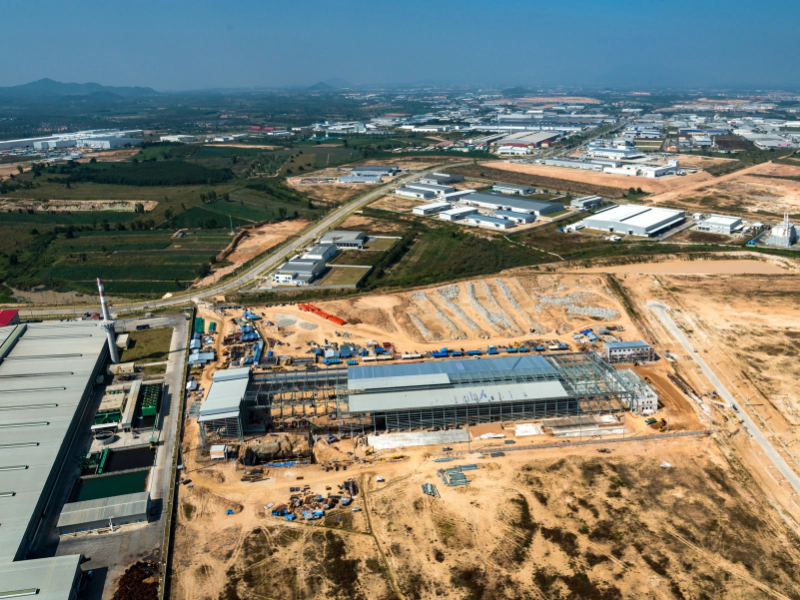
Drone technology and laser scanning provide unprecedented accuracy in topographic surveys and earthwork volume calculations. These tools deliver comprehensive site data in hours rather than days, allowing engineers to develop precise grading plans and optimize cut-fill balances. The resulting efficiency translates directly to reduced construction costs and minimized environmental disturbance across project sites.
Cloud-based collaboration platforms have eliminated traditional communication barriers between stakeholders. Design teams, contractors, permitting agencies, and property owners can access current plans and specifications simultaneously, fostering transparency and accountability throughout project lifecycles. Real-time updates ensure all parties work from identical information, virtually eliminating coordination errors that historically plagued construction projects. This technological integration represents a fundamental shift in how the industry approaches complex infrastructure challenges.
Resilient Infrastructure Planning
Climate variability and extreme weather events have elevated resilience to a primary design consideration for public and private infrastructure. Engineers now design systems capable of withstanding unprecedented rainfall intensities while maintaining operational functionality during drought conditions. This dual-challenge approach requires sophisticated hydraulic modeling and adaptive design strategies that account for multiple future scenarios.
Texas communities have experienced firsthand the consequences of inadequate infrastructure capacity during severe weather events. The February 2021 winter storm and subsequent flooding episodes demonstrated the critical importance of redundant utility systems and robust drainage networks. Professionals now incorporate climate projection data into design standards, ensuring new developments can accommodate evolving environmental conditions over their anticipated service lives.
Resiliency planning extends to utility infrastructure including water distribution systems, sanitary sewer networks, and roadway alignments. Strategic placement of isolation valves, emergency overflow structures, and alternative access routes ensures communities maintain essential services during disruptions. These forward-looking investments protect property values, public health, and economic vitality in ways that traditional design approaches cannot achieve. The shift toward resilience represents recognition that infrastructure must serve communities reliably under increasingly unpredictable conditions.
Regulatory Navigation and Compliance
The regulatory environment governing land development has grown increasingly complex as municipalities implement stricter standards for environmental protection and infrastructure performance. Navigating local ordinances, county regulations, and state requirements demands specialized knowledge that extends beyond technical design capabilities. Successful project delivery hinges on understanding jurisdictional expectations and maintaining productive relationships with reviewing authorities.
Each municipality within the Dallas-Fort Worth region maintains unique development standards addressing everything from minimum pipe slopes to required detention volumes. Denton County communities often require downstream drainage assessments that trace potential impacts several miles beyond property boundaries. These jurisdiction-specific requirements can significantly influence project feasibility and design approaches, making early regulatory consultation essential for avoiding costly redesigns.
Permitting timelines vary substantially depending on project complexity, agency workload, and submittal completeness. Experienced professionals anticipate reviewer questions and provide supporting documentation that addresses potential concerns proactively. This thorough approach minimizes review cycles and keeps projects moving toward construction authorization. Understanding that permitting is a collaborative process rather than an adversarial hurdle separates successful practitioners from those who struggle with regulatory approvals. Strategic regulatory navigation protects project schedules and budgets while ensuring developments meet all applicable standards.
Professional Partnership Value
Selecting the right engineering partner profoundly influences project outcomes from initial concept through final construction acceptance. Firms with dual-state licensure in Texas and Oklahoma offer clients geographical flexibility and regulatory expertise across multiple jurisdictions. This breadth of experience translates to efficient permitting, optimized designs, and construction-ready plans that contractors can implement without extensive clarification requests.
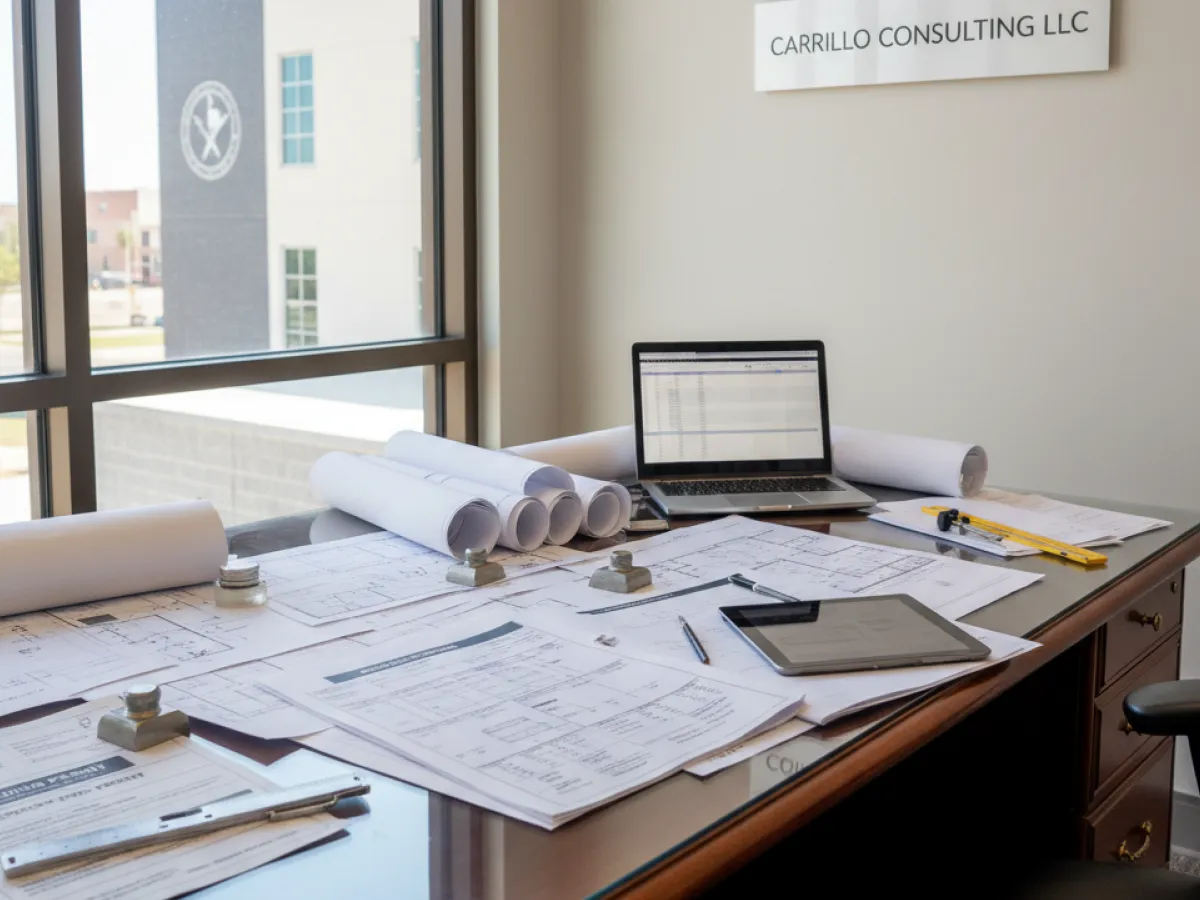
Carrillo Consulting, LLC brings specialized knowledge in both public and private infrastructure projects serving residential, commercial, and industrial clients. Their technical capabilities span the complete project lifecycle including site planning, drainage analysis, earthwork optimization, and utility design for water mains, sanitary sewers, and storm systems. This integrated service approach eliminates coordination gaps that arise when multiple consultants handle different project components, streamlining communication and accelerating delivery timelines.
The firm’s commitment to guiding clients through permitting and construction phases ensures projects transition smoothly from design to implementation. Their proactive construction support addresses field conditions efficiently, maintaining project momentum when unexpected site conditions emerge. For property owners and developers seeking reliable infrastructure solutions backed by professional licensure and practical experience, partnering with established engineering consultants provides the technical foundation for successful development outcomes. This collaborative approach transforms complex regulatory and technical challenges into manageable processes that deliver functional, compliant infrastructure systems.