

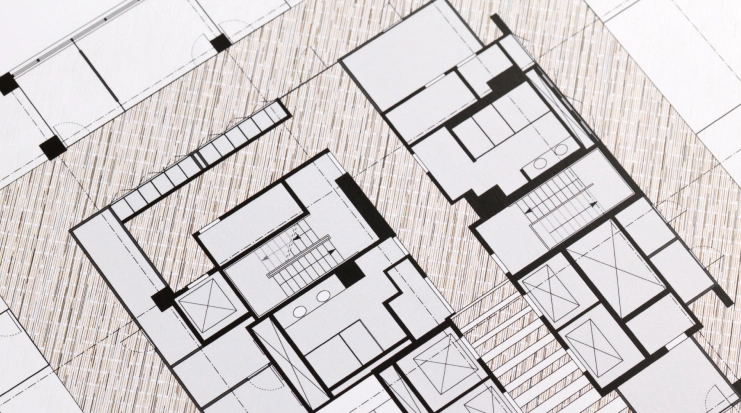
If you are new to development, one question comes up fast. What is a site plan?
A site plan is a clear drawing that shows how a property will be laid out and used. It maps buildings, access points, utilities, and drainage. It helps turn an idea into something that can be reviewed, approved, and built.
Understanding what a site plan is one of the first steps in learning how projects move from concept to construction. Without it, projects face delays, confusion, and added costs.
In this guide, we explain the basics in simple terms so you can understand how site planning works and why it matters.
What Is a Site Plan?
Let’s break it down clearly. What is a site plan in practical terms?
It is a scaled drawing that shows everything happening on a piece of land. This includes structures, parking areas, access roads, utilities, and natural features like slopes.
A site plan answers key questions:
- Where will buildings go?
- How will people enter and exit the site?
- How will water drain?
- Does the layout meet local rules?
A strong plan is not just about design. It must also meet city requirements and work in real conditions.
Why Site Planning Matters
Site planning connects design with real-world results. It helps organize the property so every part works together.
Organized Layout
A site plan shows how space is used. Buildings, parking, and open areas must fit and function as one system.
Smoother Approvals
Cities require site plans before construction. If details are missing, the review process slows down.
Lower Risk
Planning early helps avoid problems with drainage, grading, and utilities.
Long-Term Function
A well-planned site performs better over time. This is especially important for stormwater management, which affects both safety and approvals.
Key Elements Found in a Site Plan
To fully understand a site plan, you need to know what it includes.
Property Boundaries
These define where development can occur. They also show setbacks and easements.
Building Layout
This shows the size and placement of structures. It ensures spacing and compliance with local codes.
Access and Circulation
Driveways, parking areas, and walkways are included here. Good flow improves safety and usability.
Grading and Drainage
This shows how land will be shaped and how water will move. It is a critical part of any plan.
For more detail, visit our Drainage Studies page.
Utilities
Water, sewer, and storm systems must be planned carefully to avoid conflicts.
Landscaping
Some projects require green space or buffers. These elements help meet local standards.
Types of Site Plans
Different projects require different plans.
Concept Plan
A simple layout used early in the process. It helps test ideas and feasibility.
Detailed Plan
Used for approvals and construction. It includes full design details.
Construction Site Safety Plan
A construction site safety plan focuses on safety during building. It outlines access points, hazards, and controls on the job site.
How to Read a Site Plan
Reading a plan gets easier once you know what to look for.
Start here:
- Review the scale
- Locate property lines
- Identify buildings and parking
- Follow drainage flow lines
- Check utility placement
These steps help you understand how the site will function.
How to Make a Site Plan
Many people ask how to start. Here is a simple breakdown of how to make a site plan.
Step 1. Gather Data
Start with surveys and existing site conditions.
Step 2. Check Local Rules
Each city has its own requirements. These must guide the design.
Step 3. Create the Layout
Place buildings, access points, and parking.
Step 4. Plan Utilities and Drainage
This includes water, sewer, and storm systems.
Step 5. Coordinate Design
Work with engineers and other disciplines to avoid conflicts.
Step 6. Submit for Review
Finalize the plan and submit it for approval.
If you are wondering how to create a site plan, the key is early planning and strong coordination.
Common Mistakes in Site Planning
Mistakes can slow down any project.
Ignoring Drainage
Drainage must be addressed early to avoid redesigns.
Poor Coordination
Lack of communication between teams leads to conflicts.
Missing Local Requirements
Each municipality has different rules. These must be followed closely.
Weak Access Design
Traffic flow affects both safety and function.
Site Planning for Different Projects
Site planning varies by project type.
Residential Projects
Focus on lot layout and utilities. Subdivision planning plays a major role here.
Commercial Site Development
These projects require detailed layouts and coordination. Commercial site development often involves stricter review standards.
Learn more through our Land Development Services.
Industrial Projects
These require strong layouts for equipment, access, and durability.
The Role of Safety and Compliance
A site plan supports safe and compliant development.
It helps ensure:
- Safe movement of vehicles and people
- Proper drainage flow
- Emergency access
- Compliance with local codes
A construction site safety plan adds another layer during active construction.
How Site Planning Drives Project Success
Understanding what a site plan is helps you see how projects succeed.
A strong plan connects:
- Design
- Engineering
- Approvals
- Construction
Without it, projects face delays and added costs. With it, projects move forward more smoothly.
When to Get Professional Help
Some projects can start with simple layouts. Most require professional input.
This is especially true when dealing with drainage, utilities, and approvals.
Our Site Planning and Project Management pages show how coordinated planning helps keep projects on track.
Conclusion
So, what is a site plan?
It is the foundation of any successful development project. It shows how land will be used, how systems will function, and how requirements will be met.
Learning a site plan gives you a clear view of how projects move from idea to construction. It also helps you avoid common issues that cause delays.
Carrillo Consulting, LLC works with clients to develop clear, buildable plans that meet local requirements and move through approvals with fewer issues. We handle drainage, utilities, layout, and coordination from the start, and you work directly with our engineer throughout the process. If you need dependable support with what is a site plan or project management consulting in Argyle, TX, call (940) 299-3103.